What Is Ozempic Face and How to Support Your Skin After Weight Loss
Understanding Ozempic Face and Its Impact on Skin
Ozempic Face is a term that’s popping up more often, especially among those who've experienced significant weight loss from medications like Ozempic. You might be wondering what this means for your skin. Changes in weight can lead to noticeable shifts in skin texture and elasticity.
When you lose weight, your skin may not bounce back as quickly as you'd like. This is often due to decreased collagen and elastin production, which are vital for keeping your skin firm and youthful. Research suggests that rapid weight loss can result in sagging skin, especially around the face and neck.
One study indicated that individuals who lost a substantial amount of weight reported decreased skin elasticity and texture changes, highlighting the importance of maintaining skin health during weight loss. So, while you're celebrating your new shape, your skin may be singing a different tune.
In sunny states like California and Florida, you might notice these changes in your skin more readily due to the harsh sun exposure, which can exacerbate the effects of weight loss. Keeping an eye on your skin's condition is key, especially if you're on a weight journey.
So, what does this mean for you? It’s time to pay closer attention to your skincare routine as you navigate these changes.
Skin Changes After Weight Loss: What to Expect
After you've shed those pounds, you might notice some surprising changes in your skin. Many people experience sagging, dryness, and a loss of volume. Sound familiar? Understanding these changes helps you to prepare and adjust your skincare routine accordingly.
When weight fluctuates, the skin can struggle to keep up. This is because skin is a living organ, and it requires time and nutrients to adjust to such shifts. Studies indicate that after significant weight loss, many experience a decrease in collagen, which can lead to a less plump appearance.
What surprises most people is that these changes can vary based on age and skin type. For instance, younger skin may have more elasticity and recover better than older skin. If you live in a state like Texas, where it's hot and humid, you might see different effects than someone in Washington, where the climate is cooler.
Being aware of these potential changes can empower you to take proactive steps. You might want to consider incorporating specific skincare products that focus on hydration and elasticity.
Ultimately, knowing what to expect can make this transition a bit easier.
The Role of Hydration in Post-Weight Loss Skincare
Hydration is a game-changer when it comes to maintaining skin health after weight loss. It’s not just about drinking water; it's also about how you moisturize. So, how does staying hydrated benefit your skin?
Well-hydrated skin is generally more elastic and less prone to sagging. In fact, research supports that proper hydration can improve skin texture and overall appearance. Dehydrated skin, on the other hand, can look dull and feel tight, which is not the look most of us want after working hard to lose weight.
A study showed that participants who increased their water intake noticed a significant improvement in their skin’s hydration levels, leading to a more youthful appearance. If you’re in a dry state like Arizona, this might be especially important for you.
To support your skin, aim for at least eight glasses of water a day, and consider investing in a good moisturizer. Products that lock in hydration—like those containing hyaluronic acid—are a smart choice.
Staying hydrated doesn’t just keep your skin looking fresh; it supports your overall well-being, making it a win-win.
Nutrients Essential for Skin Recovery After Weight Loss
Nutrients play a vital role in helping your skin bounce back after weight loss. You may be curious about which vitamins and minerals can make a difference. The truth is, what you eat can significantly impact your skin's recovery.
Vitamins C and E are particularly important for skin health. Vitamin C supports collagen production, while Vitamin E is an antioxidant that helps protect skin from damage. Research indicates that including these vitamins in your diet can enhance skin repair over time.
Did you know that foods like citrus fruits, almonds, and leafy greens are rich in these nutrients? If you live in vibrant places like New York or Florida, you'll have access to plenty of fresh produce that can boost your intake.
In addition to a balanced diet, you might consider supplements to fill any gaps. However, always consult with a healthcare provider before starting anything new.
By focusing on these key nutrients, you can give your skin the support it needs to recover and thrive.
Best Skincare Practices for Post-Weight Loss Skin
Establishing a solid skincare routine is crucial after weight loss. You might wonder what practices can help improve your skin's appearance. The good news is that it doesn’t have to be complicated.
Start with a gentle cleanser to remove impurities without stripping your skin of moisture. Next, consider using serums packed with active ingredients like peptides and antioxidants. Studies suggest these can enhance skin texture and promote elasticity.
I've seen this come up a lot: people forget about the importance of exfoliation. Regular exfoliation helps remove dead skin cells, revealing a more vibrant surface. Living in a busy state like Illinois, a quick exfoliation routine can fit perfectly into your lifestyle.
Don't forget daily sun protection! Sun exposure can worsen skin sagging and texture changes, so using a broad-spectrum sunscreen is key, especially in sunny states like Texas and California.
By committing to a consistent routine, you can significantly improve your skin's health and appearance.
Exploring Topical Solutions for Skin Tightening
If you’re looking to tighten your skin after weight loss, topical solutions might be your best bet. But what should you look for in products? Skincare ingredients can make all the difference.
Ingredients like retinoids and hyaluronic acid have gained popularity for their skin-tightening benefits. Retinoids can boost collagen production, while hyaluronic acid helps retain moisture. Research suggests that incorporating these ingredients can lead to improved skin texture.
What surprises most people is how quickly some of these products can show results. In places like Washington, where the climate can dry out your skin, these ingredients can be especially beneficial.
When selecting products, look for those that are dermatologist-recommended to ensure they're effective and safe for your skin type. It can be overwhelming, but focusing on trusted brands can help.
Ultimately, using the right topical solutions can help enhance your skin's appearance and boost your confidence.
How to Rejuvenate Skin with Professional Treatments
If you're seeking a more intensive approach to skin rejuvenation after weight loss, professional treatments might be the way to go. But what are your options? There are several effective methods available.
Procedures like microneedling, chemical peels, and laser therapy can significantly improve skin texture and firmness. Studies indicate that these treatments can stimulate collagen production, which is vital for skin elasticity.
Many professionals recommend microneedling for its ability to enhance skin tone and texture, while chemical peels can remove dead skin layers to reveal fresher skin underneath. If you're in New York or California, you’ll likely find plenty of clinics offering these services.
Before jumping into any treatment, consult with a licensed dermatologist to discuss what’s best for you. Individual needs vary, and a professional can guide you through the options.
With the right treatments, you can rejuvenate your skin and feel more confident in your appearance.
The Psychological Impact of Skin Changes Post-Weight Loss
Changes in your skin after weight loss can be emotionally challenging. Have you ever felt a disconnect between how you look and how you feel? It’s a common experience for many people going through this transition.
Research shows that skin changes can impact self-esteem, leading some to feel less confident. This emotional toll can be especially pronounced in states like Florida, where beauty standards can sometimes feel heightened.
What can you do to cope with these feelings? Practicing self-care and engaging in positive self-talk are essential strategies. Surrounding yourself with supportive friends can also make a significant difference.
It's also important to remember that your journey is unique, and everyone’s skin reacts differently to weight loss. Recognizing this can help shift your focus from negative feelings to self-acceptance.
Coping with these changes is just as important as any skincare routine, so make sure to prioritize your mental health.
Lifestyle Changes to Support Healthy Skin After Weight Loss
Healthy skin isn’t just about the products you use; it’s also about your lifestyle. You may not realize how factors like sleep and stress levels can affect your skin. So, what changes can you make to support your skin’s health?
Adequate sleep is crucial for skin repair and overall well-being. Studies suggest that poor sleep can lead to increased signs of aging in the skin. If you're living in a fast-paced state like Texas, prioritizing sleep can be a challenge, but it's essential for your skin.
Stress management techniques like yoga or meditation can also significantly benefit your skin. When you're stressed, your body releases cortisol, which can lead to breakouts and other skin issues. Finding ways to unwind can improve both your mental and skin health.
Regular physical activity is another key component; it boosts circulation and nutrient delivery to your skin. So, whether you're hitting the gym in Arizona or taking a walk in Washington, moving your body helps.
By adopting a holistic approach to your lifestyle, you can create a supportive environment for your skin.
Expert Recommendations for Skincare Post-Weight Loss
So, what’s the best way to maintain healthy skin after weight loss? Experts generally agree on a few key strategies. You want to ensure you're doing the right things to support your skin during this transition.
First and foremost, stay consistent with your skincare routine. Use products loaded with antioxidants, vitamins, and hydration to help your skin bounce back. Research indicates that consistent use can lead to noticeable improvements in texture and elasticity.
Additionally, consider professional treatments if your budget allows. These can provide a good boost to your skin's health. In busy cities like New York or California, you’ll find plenty of options to explore.
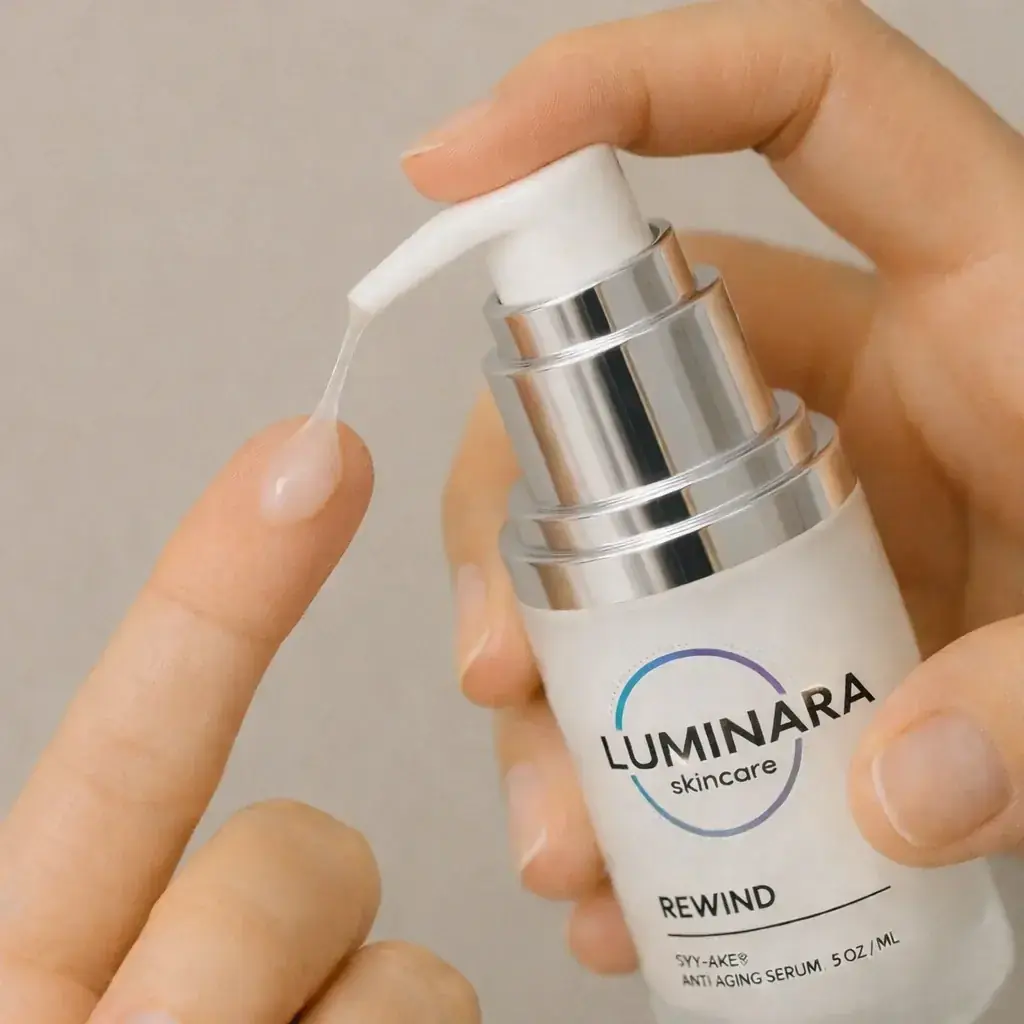
Lastly, don’t forget to be kind to yourself. Remember that your skin is adapting, and it will take time. Finding a product like Luminara Rewind can help support your skin’s needs during this time.
By following these expert recommendations, you can set yourself up for success in maintaining the beauty of your skin.
Key Takeaways
- Ozempic Face highlights skin changes after weight loss medications.
- Expect changes like sagging, dryness, and texture loss post-weight loss.
- Hydration is crucial for maintaining skin elasticity and health.
- Nutrients like vitamins C and E play a vital role in skin recovery.
- Professional treatments can rejuvenate skin effectively.
- Lifestyle habits significantly impact skin health after weight loss.
References & Sources
- Impact of weight loss on skin health — PubMed
- Skin changes associated with weight loss — PubMed
- Hydration and its effect on skin — PubMed
- Nutritional support for skin health — PubMed
- Skincare routines for post-weight loss — PubMed
- Topical solutions for skin tightening — PubMed
- Professional treatments for skin rejuvenation — PubMed
- Psychological effects of skin changes — PubMed
- Lifestyle factors influencing skin health — PubMed
- Comprehensive strategies for skincare — PubMed