Hyaluronic Acid vs Retinol: Which Anti Aging Ingredient Works Better
Understanding Hyaluronic Acid: Nature’s Moisturizer
Have you heard of hyaluronic acid, often dubbed nature's moisturizer? People across California to New York are raving about its hydrating properties. This powerful substance exists naturally in our bodies, particularly in our skin, connective tissues, and even in our eyes.
Hyaluronic acid has a unique ability to hold up to 1,000 times its weight in water, which makes it a game-changer for skin hydration. It works by attracting moisture from the environment and deeper layers of skin to the surface. As we age, our body produces less hyaluronic acid, leading to dryness and loss of elasticity.
A study published in a PubMed journal highlights the connection between hydration and skin elasticity. Research suggests that when skin is well-hydrated, it appears plumper and more youthful, reducing the appearance of fine lines. If you’ve noticed your skin feeling drier, you’re not alone.
For anyone living in a humid area like Florida or Washington, hyaluronic acid can be a fantastic ally. Using a serum containing this ingredient can help lock in that moisture, especially after a shower when your skin is primed to absorb it. Don’t forget to apply it before sealing in with a moisturizer!
All in all, hyaluronic acid serves not just as a moisturizer but as a vital component for maintaining youthful skin.
What is Retinol? A Powerhouse in Skincare
So, what’s the buzz around retinol? If you’ve spent any time in Illinois or Texas, you’ve probably heard people touting its benefits. Retinol is a derivative of vitamin A and is often referred to as an anti-aging powerhouse in skincare.
This remarkable ingredient works by promoting cell turnover, which means it helps your skin shed old, dead cells and encourages new cell growth. This process can reveal fresher, younger-looking skin, making it a favorite among many skincare aficionados.
A PubMed study has shown that retinol can positively impact aging skin by reducing fine lines and improving texture. Studies indicate that consistent use of retinol can even lead to noticeable improvements in skin tone and firmness. It’s no wonder that dermatologists recommend it!
If you're considering retinol, keep in mind that it can be quite potent. People in Massachusetts often start with a lower concentration to see how their skin reacts. Gradually introducing it into your routine can help mitigate potential irritation.
In summary, retinol is a formidable ally against aging skin, especially when used correctly.
How Hyaluronic Acid Benefits Aging Skin
Look, if aging skin is a concern for you, hyaluronic acid might just become your new best friend. As we age, our skin naturally loses moisture and elasticity. This is where hyaluronic acid steps in to save the day.
Research suggests that it can significantly enhance hydration, making the skin appear plumper, smoother, and more youthful. The more hydrated your skin, the less visible those pesky fine lines become. Studies indicate that regular use of hyaluronic acid can lead to a noticeable reduction in the appearance of fine lines.
A study published on PubMed revealed that participants who used hyaluronic acid saw improvements in skin texture and elasticity. They felt more confident showing off their skin, which is a big deal when you’re in your 40s or beyond.
If you’re living in a dry climate, like in parts of Texas or Florida, I’d recommend incorporating a hyaluronic acid serum into your routine. It’s best applied on damp skin for maximum absorption, followed by a moisturizer to lock in that beautiful hydration.
Ultimately, hyaluronic acid offers a straightforward solution for fighting the signs of aging without the complexity of more invasive procedures.
Retinol’s Role in Reducing Fine Lines and Wrinkles
But how exactly does retinol help in reducing fine lines and wrinkles? It’s essentially about boosting collagen production and encouraging new skin cells to flourish. This process can smooth out those lines that become more prominent with age.
Studies indicate that consistent use of retinol can enhance the overall appearance of aging skin. Research suggests that those who use retinol regularly tend to have smoother, firmer skin compared to those who don’t. It’s like giving your skin a fresh start!
A PubMed study found that participants who included retinol in their skincare regimen experienced significant improvements in skin texture and reduced wrinkle depth. This might explain why many people swear by it!
If you’re in a bustling city like New York, it’s essential to be mindful about sun exposure when using retinol. Using sunscreen during the day is crucial because retinol can make your skin more sensitive to sunlight.
In essence, retinol plays a vital role in minimizing those fine lines, making it a staple for anyone serious about anti-aging.
Application Methods: How to Use Hyaluronic Acid and Retinol
So, how should you apply hyaluronic acid and retinol for the best results? It’s not just about slapping them on your face; timing and layering matter. Understanding the right way to use these ingredients can enhance their effectiveness.
Generally, you want to start with hyaluronic acid, typically applied on damp skin. This will help draw moisture into your skin. After that, allow it to absorb before applying retinol, which works best on clean, dry skin. Layering these two correctly can maximize their hydrating and anti-aging effects.
Dermatological guidelines suggest waiting about 20 minutes after applying hyaluronic acid before moving on to retinol. This allows each product to do its job without interference. You can also consider using retinol every other night to start if your skin is sensitive.
If you're in Washington and have a nighttime routine, consider using these products right before bed. That way, you're letting them work their magic while you sleep!
To wrap it up, applying hyaluronic acid and retinol in the right order can amplify their benefits, making your skin care routine more effective.
Potential Side Effects: Hyaluronic Acid vs Retinol
What about potential side effects? This is a crucial factor to consider when choosing between hyaluronic acid and retinol. While both ingredients have their benefits, they come with different risks.
Hyaluronic acid is generally well-tolerated and has fewer adverse effects. Most people can use it without issues, which makes it a great choice for almost anyone, including those with sensitive skin. Retinol, on the other hand, can cause irritation, redness, or peeling, especially in the early stages of use.
A PubMed study highlighted that about 70% of participants experienced some irritation when using retinol, even if they introduced it gradually. This shows that while retinol is effective, it can require a bit of patience.
If you’re in Texas and struggle with this irritation, you might want to start with a lower concentration of retinol. Pairing it with a gentle moisturizer can also help buffer any side effects.
In summary, while both ingredients can be beneficial, hyaluronic acid may be the safer, more user-friendly option for most people.
Combining Hyaluronic Acid and Retinol: A Balanced Approach
Here’s the thing: combining hyaluronic acid and retinol can potentially yield the best results for your skin. Using these two powerhouse ingredients together can tackle multiple signs of aging without overwhelming your skin.
This combination can maximize hydration from hyaluronic acid while getting the anti-aging benefits of retinol. Research suggests that when used together, they can complement each other well, allowing for smoother, plumper skin.
A study on PubMed indicated that participants who used both ingredients noticed enhanced skin texture and reduced fine lines. It seems that the dual approach is gaining traction in the skincare community.
For folks in Florida, where humidity can be high, layering these two ingredients can be particularly beneficial. Start with the hyaluronic acid during the day and use retinol at night to balance hydration and renewal.
Overall, combining these two can create a well-rounded skincare routine that addresses various concerns effectively.
Hyaluronic Acid vs Retinol: Cost and Accessibility
Now, let’s talk about cost and accessibility—two factors that can greatly impact your skincare choices. Both hyaluronic acid and retinol can be found in a range of products at different price points, but how do they stack up?
Generally, hyaluronic acid products can be more affordable and are widely available across many brands. Retinol products, especially those with higher concentrations or from reputable brands, can be on the pricier side. So, it's essential to find what fits your budget.
Research shows that both ingredients are accessible in various forms, from serums to creams. Many people in states like Illinois and Massachusetts have reported finding effective options at local stores.
If you’re in California and looking for budget-friendly solutions, consider looking for brands that prioritize quality without breaking the bank.
To sum it up, while both ingredients may vary in cost, you'll find a range of options that can cater to your skin needs and wallet!
Real User Experiences: What Do People Say?
What do real people think about hyaluronic acid and retinol? It can be enlightening to hear actual testimonials versus just getting the science behind these ingredients. In various parts of the country, user experiences can vary widely.
Many users rave about the immediate hydration they feel from hyaluronic acid. In states like New York and Florida, people report seeing a plumper appearance in their skin after just a few uses. However, opinions on retinol tend to be mixed, with some praising its wrinkle-reducing effects while others mention initial irritation.
In a study reflecting user experiences, participants noted that while hyaluronic acid provided quick hydration, retinol took longer to show effects but was worth the wait for improved texture and reduced lines. This reflects a common sentiment across many demographics.
For those in Texas who have sensitive skin, it’s not uncommon to hear that they had to experiment with different retinol formulations to find the right fit.
In short, real-life feedback highlights the benefits and challenges of using both ingredients, helping you make informed choices.
Final Thoughts: Choosing the Right Anti-Aging Ingredient
So, how do you choose between hyaluronic acid and retinol? Considering your skin type and personal concerns is key. Both ingredients have their strengths, making them suitable for various skin needs.
For those looking for immediate hydration and a plump look, hyaluronic acid may be your best bet. On the other hand, if fine lines and texture are your main concerns, retinol could be more effective in the long run. A little trial and error might be needed.
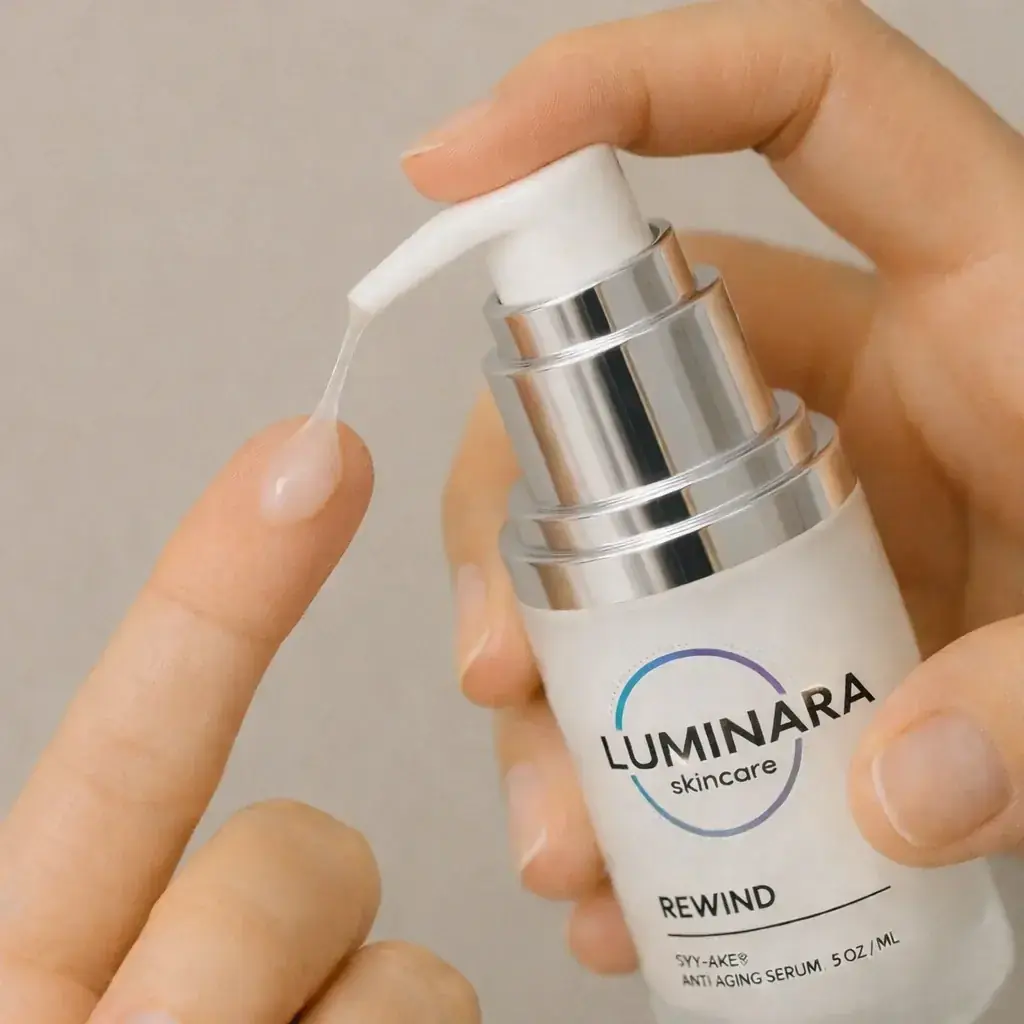
In a recommendation matrix, perhaps you could start with hyaluronic acid if you have sensitive skin or are new to active ingredients. For more seasoned users, incorporating retinol might be the next step. A casual mention of Luminara Rewind could add some ease to your routines, offering both in one product.
In conclusion, understanding these ingredients and how they work can help you create a skincare routine tailored just for you.
Key Takeaways
- Hyaluronic acid is a natural moisturizer that hydrates and plumps the skin.
- Retinol is derived from vitamin A and is known for its anti-aging properties.
- Both ingredients offer unique benefits, with hyaluronic acid focusing on hydration and retinol on cell turnover.
- Combining these ingredients may yield even better results for anti-aging.
- Understanding your skin type and concerns can help you choose the best product for your needs.
References & Sources
- Hyaluronic Acid: A Key for Skin Hydration — PubMed
- Effects of Retinol on Aging Skin — PubMed
- Hydration and Skin Elasticity — PubMed
- Retinol and Its Role in Anti-Aging — PubMed
- Safety and Efficacy of Retinoids — PubMed
- Combination Therapies in Skincare — PubMed
- User Experiences with Anti-Aging Ingredients — PubMed