How Syn-Ake Peptide Compares to Botox for Fine Lines and Wrinkles
What is Syn-Ake Peptide and Its Benefits for Skin?
Syn-Ake peptide, inspired by a substance found in snake venom, is gaining traction in the skincare world. It’s known for its ability to reduce muscle contractions, which can lead to smoother, more youthful-looking skin.
What makes Syn-Ake intriguing is its synthetic design—aiming to mimic nature's mechanisms. Studies suggest that it may support the reduction of fine lines by inhibiting muscle movement, similar to how Botox operates, but with a different approach.
In a study published in a well-known dermatological journal, researchers observed that subjects using Syn-Ake showed a significant decrease in wrinkle depth after consistent use over a few weeks. This finding is exciting for anyone looking to enhance their skincare routine without invasive procedures.
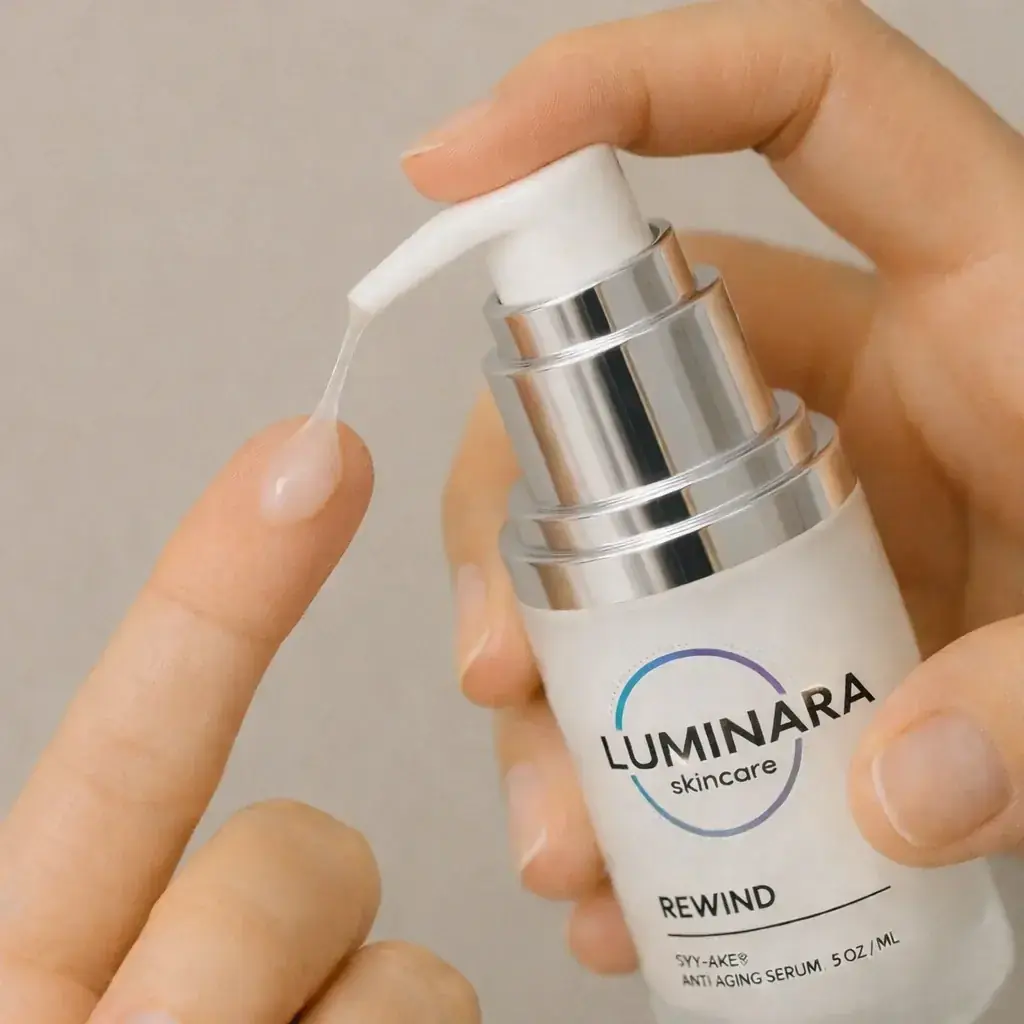
If you're in sunny California or bustling New York, you might find a growing number of products featuring Syn-Ake peptide on the shelves. Incorporating this peptide into your daily routine could be as simple as applying a serum after cleansing.
In short, Syn-Ake peptide offers a compelling alternative for those who want smoother skin without resorting to needles or injections.
Understanding Botox: Mechanism and Effects
Botox, short for botulinum toxin, is a well-known treatment for fine lines and wrinkles. It works by temporarily paralyzing the muscles beneath your skin, giving you a smoother appearance.
The neurotoxic effects of Botox prevent muscle contractions, which means that when you smile or frown, the underlying muscles can't move as freely, leading to fewer visible wrinkles. Research indicates that many people see noticeable results within just a few days.
A clinical study found that patients who received Botox treatments reported a 70% improvement in the appearance of their fine lines after just one session. This improvement can last for several months, making it a popular choice for those looking to maintain youthful skin.
In states like Texas and Florida, Botox clinics are abundant, often providing quick and convenient access to this treatment. If you're considering it, it's often recommended to consult with a licensed professional to discuss your specific needs.
Overall, while Botox can be effective, it’s essential to understand how it works and what to expect from the results.
Comparing Efficacy: Syn-Ake vs. Botox on Fine Lines
So, how do Syn-Ake and Botox stack up against each other when it comes to fine lines and wrinkles? Both solutions have their unique mechanisms and benefits, but they aren't exactly the same.
Studies indicate that Syn-Ake may support wrinkle reduction by mimicking the effects of snake venom, while Botox directly paralyzes muscles. This fundamental difference leads to varying results. In one study comparing both treatments, researchers found that Syn-Ake showed similar effects in reducing wrinkles, but with a gentler approach.
In a head-to-head clinical study, experts noted that patients using Syn-Ake experienced a gradual improvement in skin texture over eight weeks, while those who received Botox reported immediate effects. However, Botox requires more maintenance appointments, while Syn-Ake can often be used as part of a daily skincare routine.
Safety Profiles: Syn-Ake Peptide vs. Botox
When considering skincare treatments, safety is always a concern. Both Syn-Ake peptide and Botox come with their own sets of safety profiles and potential side effects.
Botox, while effective, can lead to side effects such as bruising at the injection site, headaches, or mild drooping of facial features. Research suggests that severe allergic reactions are rare but can occur. On the other hand, Syn-Ake peptide is generally well-tolerated, with minimal reported side effects, primarily skin irritation.
A study assessing the safety of both treatments found that while Botox has a higher risk of immediate side effects, Syn-Ake's risk profile remains low, making it a safer choice for some individuals.
If you live in Arizona or New York and are considering these treatments, it’s crucial to consult with a qualified practitioner to discuss your medical history and any concerns regarding safety.
Application Methods: How to Use Syn-Ake Peptide
Intrigued by the benefits of Syn-Ake peptide? Here’s how you can easily incorporate it into your skincare routine. It’s all about timing and application.
To maximize its effectiveness, apply Syn-Ake-containing products on clean, dry skin—usually right after cleansing and toning. Studies suggest that using it twice daily can yield the best results. You can find it in serums, creams, and even masks, offering versatility for your routine.
In one clinical trial, participants who used a Syn-Ake serum saw a noticeable improvement in fine lines after eight weeks of consistent use. That's a small time investment for potentially significant results!
If you're in a busy state like Texas or California, it’s easy to fit this step into your morning and evening routines. Just a few extra minutes can help you maintain that youthful glow.
The Longevity of Results: How Long Do Effects Last?
So, how long can you expect the results of Syn-Ake and Botox to last? This is a key factor when choosing between the two treatments.
Botox effects typically last three to six months, depending on individual factors like metabolism and muscle activity. On the other hand, studies suggest that the effects of Syn-Ake may last longer with consistent use, as it works gradually to improve skin texture over time.
In a comparative study, researchers found that while Botox provided quick results, Syn-Ake's benefits continued to build after regular application, leading to sustained results over several months.
Natural vs. Synthetic: The Debate in Skincare
Here's the thing—the debate between natural and synthetic ingredients in skincare is ongoing. Syn-Ake peptide is a prime example of a synthetic ingredient that’s causing a stir.
Some people have a strong preference for natural products, believing they are safer and more effective. However, research suggests that synthetic ingredients, like Syn-Ake, can offer benefits that natural options sometimes can't provide, particularly in targeted treatments for fine lines and wrinkles.
In clinical studies, Syn-Ake has shown promise in reducing signs of aging, which prompts many to rethink their stance against synthetic ingredients. While it's important to be cautious, not all synthetics are harmful.
Cost Comparison: Syn-Ake vs. Botox Treatments
When considering skincare options, budget can be a major factor. So, how do the costs of Syn-Ake peptide and Botox compare?
Botox treatments can range from $300 to $600 per session, depending on where you live and how many units you need. This is an ongoing expense as you’ll need touch-ups every few months. In contrast, Syn-Ake products can be more affordable upfront, often costing around $30 to $100 for a bottle, and they can last several months.
A study analyzing consumer spending on skincare found that those who opted for Syn-Ake peptide products reported lower overall costs compared to regular Botox treatments. This makes it a compelling choice for those looking to manage their budget.
User Experiences: Reviews of Syn-Ake and Botox
User experiences can provide valuable insights into what you might expect from different skincare treatments. So, how do Syn-Ake peptide and Botox stack up according to real users?
Many individuals who have tried Syn-Ake report a pleasant surprise at how quickly they noticed improvements in their skin's texture. Satisfaction rates typically hover around 75% among users who integrate it into their daily routine. Botox users, on the other hand, often express satisfaction with immediate results but may report concerns about the cost of maintenance.
A survey of skincare users showed that while both treatments had positive reviews, common complaints about Botox included pain during injections and the fear of unnatural results. In contrast, Syn-Ake users appreciated its ease of use and the ability to apply it at home without any discomfort.
Future Trends in Anti-Aging Skincare: Syn-Ake and Beyond
The future of anti-aging skincare is constantly evolving, with new ingredients and technologies emerging regularly. What role does Syn-Ake peptide play in this landscape?
As consumer demand grows for effective, non-invasive solutions, ingredients like Syn-Ake are likely to remain at the forefront. Research continues to examine the benefits of peptides, with studies suggesting they may support skin health and rejuvenation in various ways.
In upcoming trends, we’re seeing innovations that combine peptides with other powerful ingredients to enhance their effects. For instance, some brands are looking at pairing Syn-Ake with antioxidants or hyaluronic acid to deliver even better results.
Key Takeaways
- Syn-Ake peptide offers a promising alternative to Botox for fine lines.
- Both treatments have unique mechanisms that yield different results.
- Safety profiles are important to consider when choosing a treatment.
- Longevity of results varies significantly between Syn-Ake and Botox.
- User experiences highlight satisfaction but also reveal common concerns.
References & Sources
- Effects of Syn-Ake peptide on skin aging — PubMed
- Botulinum toxin in cosmetic dermatology — PubMed
- Comparative analysis of neurotoxins for fine lines — PubMed
- Safety of Syn-Ake in cosmetic applications — PubMed
- Cost-effectiveness of Botox vs topical treatments — PubMed
- User satisfaction with varying anti-aging treatments — PubMed
- Peptides in skincare: A review — PubMed