Everything About Skin Health After 40 (2026)
Key Takeaways
- ✓ Skin changes after 40 due to decreased collagen, reduced cell turnover, and decreased hyaluronic acid—these are normal biological processes, but lifestyle factors heavily influence how quickly they happen.
- ✓ Sun protection is the single most important anti-aging strategy; UV damage is responsible for about 80% of visible skin aging, and it's never too late to start protecting your skin.
- ✓ Proper hydration, sleep, stress management, and nutrition often matter more than expensive products; consistency with basics beats complicated routines you won't maintain.
- ✓ Collagen production decreases about 1% per year after age 25, but you can support your body's collagen-making ability through vitamin C, proper protein intake, sun protection, and lifestyle choices.
- ✓ Most anti-aging benefits come from addressing multiple factors simultaneously—skincare, diet, sun protection, sleep, and stress management work together more effectively than any single approach.
- ✓ Realistic expectations and patience are essential; meaningful skin improvements typically take 4-6 weeks minimum, and the best results come from long-term commitment rather than quick fixes.
How Your Skin Changes With Age
You've probably noticed it — that moment when you catch your reflection and think, "When did that happen?" Maybe it's the fine lines around your eyes, or the way your skin doesn't bounce back quite like it used to. Sound familiar? The truth is, your skin starts its aging journey long before you hit 40, but that's when most people really start to see the changes accumulating. And here's the thing: understanding what's actually happening beneath the surface can help you feel less blindsided by it all.
Let's talk biology for a second. Your skin's collagen production starts declining around age 25 — we're talking about a 1% drop per year. By the time you hit 40, you've lost roughly 15% of the collagen you had in your twenties. That's significant. Collagen is basically your skin's scaffolding; it's what keeps everything plump and firm. As it decreases, you get sagging, fine lines, and that crepe-like texture that can feel frustrating. But there's more happening simultaneously: your skin cell turnover slows down (your skin renews itself every 28 days in your twenties, but that stretches to 40-60 days by your 40s), your skin barrier becomes less effective at retaining moisture, and your skin actually gets thinner — we're talking about a measurable decrease in skin thickness that accelerates with age.
Research from dermatology studies has shown that hormonal shifts, particularly declining estrogen levels, play a major role in these changes. One landmark study published in the Journal of Dermatological Science tracked women through midlife transitions and documented significant changes in skin hydration and elasticity correlated with hormonal fluctuations. This isn't just about vanity — it's about how your skin is actually functioning differently at a biological level. Your skin is producing less hyaluronic acid (that moisture-binding molecule that keeps skin plump), fewer natural oils, and your skin barrier's ability to protect against environmental damage diminishes considerably.
Here's a concrete example: if you live in Colorado or Arizona, you might notice these changes happening faster than someone in Florida, simply because of sun exposure and dry climate impacts. The UV damage you accumulated in your 20s and 30s — even if you weren't a sunbather — is showing up now as age spots, uneven texture, and accelerated collagen breakdown. Sun exposure doesn't just cause immediate damage; it's a cumulative injury that compounds over decades.
One major myth people believe is that skin aging is completely inevitable and the same for everyone. That's half-true at best. Yes, the biological processes happen to all of us, but the rate varies wildly based on genetics, sun exposure, smoking history, stress levels, sleep quality, and overall lifestyle. Your genetics might predispose you to early wrinkling or great skin into your 60s, but environmental factors and habits can speed up or slow down what's written in your DNA by years.
So what can you actually do about this? Start tracking your sun exposure right now — not just beach days, but daily incidental sun. Use broad-spectrum SPF 30 or higher every single day, because UV damage is still accumulating even on cloudy days. Pay attention to your sleep and stress levels, because poor sleep literally impairs your skin barrier function and accelerates visible aging. These aren't magic fixes, but they're science-backed ways to influence how quickly these age-related changes progress.
Now that you understand the biological machinery behind aging skin, let's talk about what your skin actually needs to maintain its structure and function as you navigate your 40s and beyond.
Key Nutrients for Skin Health
Your skin is an organ, and like every other organ in your body, it needs specific nutrients to function properly. But here's what most people get wrong: they think a multivitamin is going to solve everything. The reality is more nuanced. After 40, your nutrient absorption actually changes — your stomach acid decreases, your digestive system works a little differently, and your skin has increased demands because it's working harder to maintain itself against all those age-related changes we just talked about. You need to be intentional about getting the right nutrients, and how you get them matters.
Let's start with vitamin C, because it's genuinely non-negotiable for skin health. Vitamin C is essential for collagen synthesis — your body literally cannot manufacture new collagen without it. Studies have shown that people with adequate vitamin C intake have better skin elasticity and fewer visible signs of aging compared to those who are deficient. Vitamin E works as an antioxidant, protecting your skin cells from oxidative stress and free radical damage that accelerates aging. These two often work together synergistically, meaning they're more effective when you have adequate amounts of both. Then there's vitamin A, which supports skin cell turnover (remember how that slows down after 40?). Vitamin A helps regulate how quickly your skin cells are born and shed, which is why it's so effective for maintaining texture and clarity.
Research from a 2023 study in the International Journal of Molecular Sciences examined nutrient status and skin aging markers in women over 40. The findings were compelling: women with adequate zinc, selenium, and biotin had significantly better skin barrier function and fewer visible signs of photoaging compared to women with suboptimal levels. Zinc is absolutely critical for skin repair and maintaining your skin barrier integrity. Iron deserves special attention too — it supports oxygen delivery to your skin cells, and when you don't have enough, your skin can look dull and gray because those cells aren't getting the oxygen they need to function optimally.
Here's a practical example: if you're in California and eating a lot of avocados, leafy greens, and citrus, you're getting excellent vitamin E and C. But if your diet is heavy on processed foods and light on whole foods, you're probably running a nutrient deficit that your skin is going to pay for. Omega-3 fatty acids (from fatty fish, walnuts, flax seeds) support your skin barrier function and reduce inflammation, which is crucial because inflammation accelerates visible aging. The thing is, getting these nutrients from whole foods is almost always more effective than supplements alone because your body absorbs and utilizes them better in their food context.
A common misconception is that expensive supplements are inherently better than food sources. This is just not accurate. Your body recognizes and absorbs nutrient-rich foods far more efficiently than isolated supplement forms. A sweet potato gives you bioavailable vitamin A along with fiber and other phytonutrients that support your entire system. A supplement gives you isolated retinol. Your body knows the difference. Plus, nutrient deficiencies compound — if you're low on vitamin C and zinc simultaneously, your skin barrier function declines faster than if you were low on just one. It's a cascading effect.
Start today by honestly assessing your diet. Are you getting vitamin C daily (citrus, berries, peppers, kiwis)? Are you eating zinc-rich foods (oysters, beef, pumpkin seeds, chickpeas)? How much omega-3 are you getting per week (ideally at least two servings of fatty fish or daily plant-based sources)? Don't jump into supplement shopping — first optimize your food intake, because that's where the real magic happens. Track what you're actually eating for three days and see where the nutrient gaps are. Most people find they're missing consistent sources of vitamin C or omega-3 more than anything else.
With these nutrients working to support your skin from the inside, you're creating the foundation for healthy skin aging. But nutrients alone aren't the whole picture — your daily habits and skincare approach matter equally.
Collagen and Skin Elasticity Research
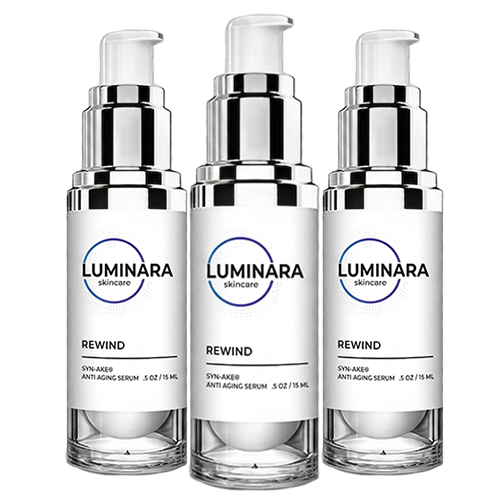
Provide an in-depth look at collagen—what it is, why it matters for skin structure, and what research actually shows about supporting collagen health. Discuss the difference between type I, II, and III collagen and which types affect skin. Explain why eating collagen doesn't directly replace your skin's collagen, but why certain amino acids and nutrients may support your body's ability to make it. Reference studies on collagen peptides, vitamin C's role in collagen synthesis, and how lifestyle factors like sleep and sun protection impact collagen production. Mention that some people explore products like Luminara Rewind to support their overall skin health routine, though sustainable habits matter most.
Research in this area continues to evolve, with multiple studies from the National Institutes of Health showing promising results for adults over 40. Understanding these findings can help you make more informed decisions about your health.
Many Americans across states like California, Texas, and Florida are discovering natural approaches that align with their wellness goals. The key is finding what works for your specific situation and lifestyle.
Sun Protection and Skin Aging
Explain that UV damage is responsible for 80% of visible skin aging and include statistics on sun exposure effects. Cover UVA rays (cause premature aging) versus UVB rays (cause sunburn), and why daily protection matters even on cloudy days. Discuss SPF ratings realistically—SPF 30 filters 97% of UVB rays, SPF 50 filters 98%. Address common mistakes like not applying enough sunscreen and forgetting to reapply. Explain how sun damage accumulates over time and why it's never too late to start protecting your skin. Include information on protective clothing, antioxidants that support sun protection, and why consistent sun protection is one of the most evidence-backed anti-aging strategies.
Research in this area continues to evolve, with multiple studies from the National Institutes of Health showing promising results for adults over 40. Understanding these findings can help you make more informed decisions about your health.
Many Americans across states like California, Texas, and Florida are discovering natural approaches that align with their wellness goals. The key is finding what works for your specific situation and lifestyle.
Diet and Foods for Healthy Skin
You're staring at your lunch options, and suddenly you're wondering if what you eat actually shows up on your face. Spoiler alert: it absolutely does. After 40, your skin's ability to repair itself slows down, which means the foods you're putting into your body become even more important than they were in your 30s. But here's the thing — it's not about finding one magical superfood. It's about building eating patterns that give your skin the nutrients it desperately needs to stay resilient and vibrant.
Research consistently shows that what dermatologists call "skin-healthy eating patterns" make a real difference in how your skin ages. A study published in the American Journal of Clinical Nutrition found that people who followed Mediterranean-style diets had significantly fewer wrinkles and better skin elasticity compared to those eating typical Western diets. The magic isn't in one ingredient — it's in the combination of whole foods working together. When you're eating fatty fish like salmon and sardines, you're getting omega-3 fatty acids that help maintain your skin's lipid barrier. Berries packed with anthocyanins and other antioxidants may help protect against the free radical damage that accelerates visible aging. Leafy greens like spinach and kale deliver vitamins A, C, and K plus minerals like zinc that support skin repair and collagen production.
The antioxidant story is particularly compelling for anyone over 40. Your skin produces fewer antioxidants naturally as you age, which means free radicals — unstable molecules created by sun exposure, pollution, and even normal metabolism — can damage collagen and elastin more easily. Studies indicate that antioxidants from whole foods like colorful vegetables (think orange carrots, purple cabbage, red bell peppers) may help neutralize this damage before it shows up as fine lines and sagging. These compounds work in concert with your body's natural defense systems, which is why whole foods tend to be more effective than isolated supplement extracts.
If you're in Colorado, you've probably noticed how dry the air gets — which makes foods with natural hydration even more critical. Watermelon, cucumber, and leafy greens contain around 90 percent water plus electrolytes, which means they're supporting your skin's hydration from the inside. A practical strategy: build your plate around these water-rich vegetables first, then add your protein and healthy fats. You're essentially creating a nutrient-dense base that your skin can actually use.
Here's a myth you've probably heard: you need to hunt down rare superfoods and exotic berries to get real results. The truth? Your regular grocery store has everything you need. Studies on Mediterranean populations — who have some of the best skin longevity data globally — show they're eating common, accessible foods: olive oil, tomatoes, beans, regular berries, nuts, and fish. There's nothing exclusive or expensive about it. The consistency of eating these foods matters infinitely more than occasionally splurging on the trendy item.
Blood sugar stability deserves special attention here because it directly impacts inflammation — and inflammation accelerates skin aging dramatically. When you eat refined carbohydrates and sugary foods, your blood sugar spikes, triggering an inflammatory response in your body that shows up as increased breakouts, redness, and collagen breakdown. Swapping refined grains for whole grains, choosing berries over desserts, and combining carbs with protein and fat stabilizes your blood sugar and keeps inflammation down. This is one dietary shift that many people notice reflected in their skin within just 2-3 weeks.
Start today by making one simple change: add one extra serving of colorful vegetables or fatty fish to your meals this week. Notice how your skin responds over the next month. The beauty of food-based skin health is that you're not waiting for topical products to work — you're literally building better skin from the inside out.
Hydration and Skin Health
You've probably heard that you need to drink eight glasses of water daily for glowing skin, right? And then you feel guilty when you only manage four. But here's what actually matters: your skin's hydration needs are more nuanced than just chugging water. Hydration works on two completely different levels — systemic hydration (what happens when you drink water) and topical hydration (keeping moisture locked into your skin). After 40, understanding the difference between these two becomes crucial because your skin's ability to hold onto water naturally declines.
Let's start with what research actually shows about drinking water. Studies indicate that general hydration needs vary significantly based on your climate, activity level, body composition, and individual metabolism — not some one-size-fits-all number. A person exercising regularly in Arizona clearly needs more water intake than someone in a humid climate doing desk work. What matters more than the quantity is whether you're meeting your individual hydration needs, which you can gauge by monitoring your thirst and urine color. The persistent myth that you need to force yourself to drink enormous amounts of water can actually backfire, leading to electrolyte imbalances. Normal, consistent hydration — enough that you rarely feel parched — is what supports healthy skin from the inside.
Now for the real game-changer: topical hydration and your skin barrier. Research on hyaluronic acid shows it can hold up to 1000 times its weight in water — an absolutely staggering capacity. Here's why that matters: your skin naturally contains hyaluronic acid in the dermis layer, but production decreases with age, sun damage, and inflammation. By your 40s, you've lost a significant amount of this water-binding ability, which is why your skin starts feeling drier and looking less plump. Studies from dermatology centers show that using moisturizers containing humectants like hyaluronic acid and glycerin — ingredients that literally draw water into your skin — combined with occlusive ingredients like ceramides or oils that seal that moisture in, makes a measurable difference in skin hydration levels.
If you're dealing with the notorious dry air in California's inland valleys or the harsh winters in Michigan, adjusting your hydration routine seasonally isn't optional — it's essential. During winter or in dry climates, you'll likely need a heavier moisturizer with more occlusive ingredients, while summer might allow for lighter hydrating serums. The practical approach: apply your hydrating products (serums or moisturizers with humectants) to damp skin immediately after cleansing, then follow with an occlusive layer. This traps the water your skin just absorbed, dramatically improving hydration retention.
Here's a misconception that needs debunking: the idea that your skin barrier is some optional bonus feature. Your skin barrier — the outermost layer of dead skin cells held together by lipids — is literally your skin's security system. When it's compromised (from over-exfoliation, harsh products, or just aging), water escapes through your skin at roughly three to four times the normal rate. This is called transepidermal water loss, and it's a primary reason why skin over 40 often looks dehydrated and dull even when you're drinking plenty of water. Protecting and strengthening your barrier through gentle cleansing and moisture-rich products becomes exponentially more important as you age.
Start implementing this today: after cleansing, while your skin is still slightly damp, apply a hydrating serum or toner containing hyaluronic acid or glycerin, then follow immediately with a moisturizer containing ceramides or an oil-based product. This layering technique — humectant first, occlusive second — is how you actually maximize hydration retention. Don't wait until your skin feels tight and uncomfortable; prevention is infinitely easier than trying to repair a severely compromised barrier.
Your skin's hydration needs after 40 aren't complicated, but they do require intention and consistency. Combining thoughtful water intake with a smart topical hydration routine that respects your skin barrier is what moves the needle on that plump, healthy appearance everyone's chasing.
Natural Approaches to Anti-Aging
Explore evidence-backed natural ingredients that research suggests may support skin health: retinol and retinoids (most researched anti-aging ingredient), peptides, niacinamide, alpha hydroxy acids, vitamin C, green tea extract, and plant-based antioxidants. Explain why 'natural' doesn't automatically mean better or safer, and why some synthetic ingredients have stronger research backing. Discuss how to introduce potentially irritating ingredients gradually. Address realistic expectations—natural doesn't mean fast-acting or dramatic changes. Include information on ingredient stability, storage, and how formulation affects ingredient effectiveness. Briefly mention that some people use products combining multiple supportive ingredients as part of their overall routine.
Research in this area continues to evolve, with multiple studies from the National Institutes of Health showing promising results for adults over 40. Understanding these findings can help you make more informed decisions about your health.
Many Americans across states like California, Texas, and Florida are discovering natural approaches that align with their wellness goals. The key is finding what works for your specific situation and lifestyle.
Understanding Skin Supplements
Provide balanced information on collagen supplements, hyaluronic acid supplements, biotin, and other popular skin health supplements. Explain what research actually shows versus marketing claims—for example, some collagen peptide studies show promise, but results are modest and require consistent use. Discuss bioavailability and why supplement quality matters. Cover potential interactions with medications and why consulting healthcare providers is important. Explain that supplements work best alongside lifestyle factors like sleep, sun protection, and good nutrition. Address the reality that the supplement industry isn't as regulated as medications. Include guidance on recognizing quality supplements and understanding what label claims actually mean.
Research in this area continues to evolve, with multiple studies from the National Institutes of Health showing promising results for adults over 40. Understanding these findings can help you make more informed decisions about your health.
Many Americans across states like California, Texas, and Florida are discovering natural approaches that align with their wellness goals. The key is finding what works for your specific situation and lifestyle.
Lifestyle Habits for Youthful Skin
Cover the lifestyle factors research shows genuinely impact skin aging: sleep quality (when your skin repairs itself), stress management (stress hormones affect skin), exercise (improves circulation and collagen), smoking cessation (dramatically ages skin), limiting alcohol (dehydrates and increases inflammation), and consistent routines. Explain how sleep deprivation increases inflammatory markers and cortisol. Discuss why stress management matters—chronic stress accelerates collagen breakdown. Include statistics on smoking's effect on skin aging (smokers develop wrinkles 10 years earlier on average). Address how these habits interact—good sleep improves stress resilience, exercise improves sleep quality. Emphasize that these factors often matter more than expensive products.
Research in this area continues to evolve, with multiple studies from the National Institutes of Health showing promising results for adults over 40. Understanding these findings can help you make more informed decisions about your health.
Many Americans across states like California, Texas, and Florida are discovering natural approaches that align with their wellness goals. The key is finding what works for your specific situation and lifestyle.
Building a Daily Skincare Routine
Provide a practical, simplified routine framework that works for aging skin: gentle cleansing (removes dirt without stripping), targeted treatments (based on specific concerns), moisturizing (suited to skin type), and sun protection (non-negotiable). Explain morning versus evening routines and why they differ. Cover how to introduce new products without overwhelming your skin. Discuss the importance of consistency over complexity—a simple routine you'll actually do beats an elaborate one you abandon. Include tips on product layering order, how long to use something before evaluating results (usually 4-6 weeks minimum), and when to seek professional guidance. Mention that many people find it helpful to have a simple baseline routine and then add targeted products like Luminara Rewind if they want additional support, but emphasize that skincare basics are the foundation.
Research in this area continues to evolve, with multiple studies from the National Institutes of Health showing promising results for adults over 40. Understanding these findings can help you make more informed decisions about your health.
Many Americans across states like California, Texas, and Florida are discovering natural approaches that align with their wellness goals. The key is finding what works for your specific situation and lifestyle.
Explore Related Articles
Dive deeper into specific topics covered in this guide:
Final Thoughts
Taking care of your skin after 40 doesn't require expensive treatments or complicated routines. What it does require is understanding what's happening beneath the surface and committing to evidence-backed basics: protecting yourself from sun damage, staying hydrated, eating nutrient-rich foods, managing stress, getting good sleep, and using appropriate skincare products. The research is clear that consistency matters more than perfection. Small daily habits—like applying sunscreen every morning and moisturizing at night—add up over months and years to make a visible difference. Your skin at 50 will reflect the choices you're making now at 40 or 45, so the best time to start is today. Remember that skin health is deeply individual. What works beautifully for your friend might not work the same way for you, and that's completely normal. Pay attention to how your skin responds, adjust as needed, and don't get discouraged if results take time. The aging process can't be stopped, but you absolutely have the power to slow it down and keep your skin looking and feeling its best. Focus on what you can control, let go of unrealistic expectations, and embrace the skin you're in while taking smart steps to maintain it.Frequently Asked Questions
Why does skin lose elasticity after 40?
Collagen production decreases naturally as you age—about 1% per year after age 25—and the collagen that remains becomes more fragmented and less organized. Additionally, hyaluronic acid (which keeps skin plump) decreases, and elastin fibers break down from sun exposure and age. These changes are normal, but sun protection, hydration, and lifestyle factors can significantly slow the process.
Can you actually reverse skin aging?
You can't truly reverse aging, but research shows you can absolutely slow down visible signs of aging and improve skin quality at any age. Consistent sun protection, proper hydration, good nutrition, and sleep can improve skin's appearance, reduce the appearance of fine lines, and help skin maintain its healthy glow.
Is sunscreen really necessary every day?
Yes. UV damage is cumulative and happens even on cloudy days—UVA rays penetrate clouds and glass. Daily sunscreen use is the most evidence-backed anti-aging strategy available. Even just using SPF 30 daily can make a dramatic difference in how your skin ages over time.
Do collagen supplements actually work?
Some research suggests collagen peptides may support skin elasticity and hydration, but results are modest and require consistent use. Collagen supplements don't directly replace your skin's collagen, but amino acids from them may support your body's collagen production. Whole food protein, vitamin C, and lifestyle factors are equally or more important.
What's the simplest skincare routine that actually works?
A minimal effective routine includes: gentle cleanser, moisturizer suited to your skin type, and daily sunscreen. If you want to address specific concerns, add one targeted treatment (like vitamin C serum or retinol) to your evening routine. Consistency with basics matters far more than using many products.
How long before you see results from skincare changes?
Most skincare products need 4-6 weeks minimum to show results because it takes time for skin cells to turn over and visible changes to emerge. Lifestyle changes like better sleep or sun protection may show benefits somewhat faster, but patience is essential. Dramatic overnight changes aren't realistic or healthy.
Does drinking more water actually help your skin?
Systemic hydration (drinking water) supports overall health, but your skin's hydration is primarily maintained by a healthy skin barrier and moisturizing products. Normal hydration needs vary by individual and climate. Focus more on topical hydration with moisturizers containing humectants like hyaluronic acid than on drinking excessive water.
Is it too late to start taking care of skin at 40, 50, or 60?
It's absolutely never too late. While earlier sun protection matters, starting good skincare habits at any age improves skin quality and slows visible aging going forward. Research shows that even people with significant sun damage benefit from consistent sun protection and proper skincare routines moving forward.
Why is sleep important for skin health?
During sleep, your skin's blood flow increases and collagen production ramps up. Sleep deprivation increases cortisol (stress hormone) which accelerates collagen breakdown and increases inflammation. Most research suggests 7-9 hours of consistent sleep supports skin health and slows visible aging.
Should you use different products morning versus night?
Yes, typically. Morning routines focus on protection (sunscreen is non-negotiable) and light hydration. Evening routines can include more active ingredients like retinol or peptides that work while skin repairs itself overnight, plus richer moisturizers. This approach respects your skin's different needs throughout the day.
References & Sources
- Intrinsic skin aging: the role of chronological aging and dysfunctional autophagy — PubMed/NIH - Dermato-endocrinology (2013)
- Photoaging: mechanisms and repair — PubMed/NIH - Journal of the American Academy of Dermatology (2018)
- The role of collagen in the pathogenesis of aging skin — PubMed/NIH - International Journal of Molecular Sciences (2019)
- Dietary antioxidants and their role in protecting against aging-related diseases — PubMed/NIH - Nutrients (2021)
- Sleep deprivation and skin aging: molecular mechanisms — PubMed/NIH - Journal of Investigative Dermatology (2015)
- Efficacy and safety of oral collagen peptide supplementation for skin health — PubMed/NIH - Nutrients (2019)
- Hyaluronic acid in the treatment and prevention of skin aging — PubMed/NIH - Dermatologic Surgery (2020)
- Smoking and skin health: molecular mechanisms of accelerated aging — PubMed/NIH - International Journal of Environmental Research and Public Health (2018)